Used Sedans and Commuter Cars in Mesa, AZ
Out here, most of the driving is a commute, and a used sedan or small commuter car is still the smartest tool for it. It sips fuel, it rides comfortably over long freeway stretches, and it keeps your cost per mile low on the kind of daily run the East Valley demands. The lot in East Mesa carries a rotating mix of them, from sub-$10k economy cars up through clean late-model sedans, and the number on the windshield is the number you pay. There is no haggling and no desk routine. Every dealer fee is already folded into the price, so the only additions at signing are the government charges: sales tax, title, and registration. When one looks right, you can start a quick pre-approval on the financing page or give us a call to reach the lot.
What is on the lot right now
A live look at current stock. Inventory turns over constantly, so this is what is on the ground today.
 7
2021 Porsche 911
Carrera Coupe 2D · 88,567 mi
$1,622/mo est.
 38
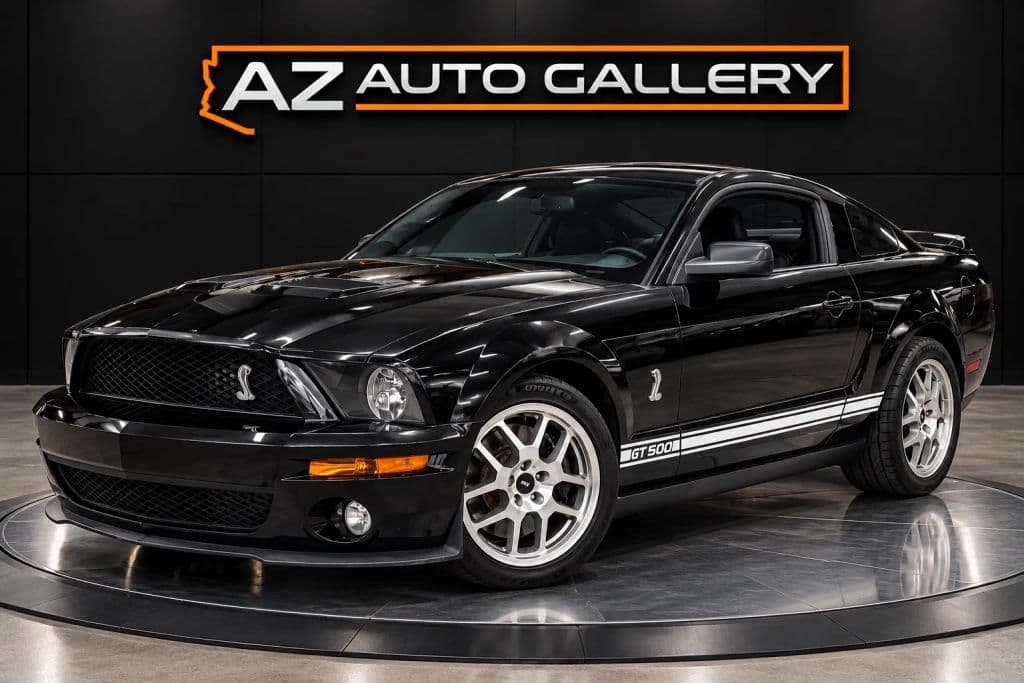
2008 Ford Mustang
Shelby GT500 Cobra Coupe 2D · 65,010 mi
$521/mo est.
 48
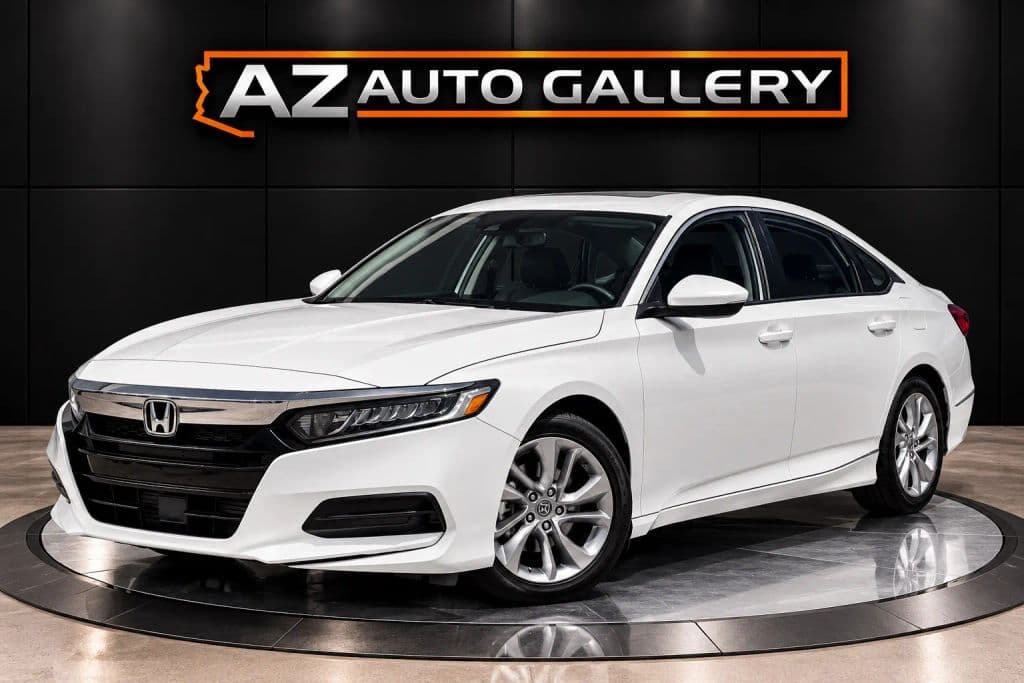
2019 Honda Accord
LX Sedan 4D · 101,696 mi
$294/mo est.
 52
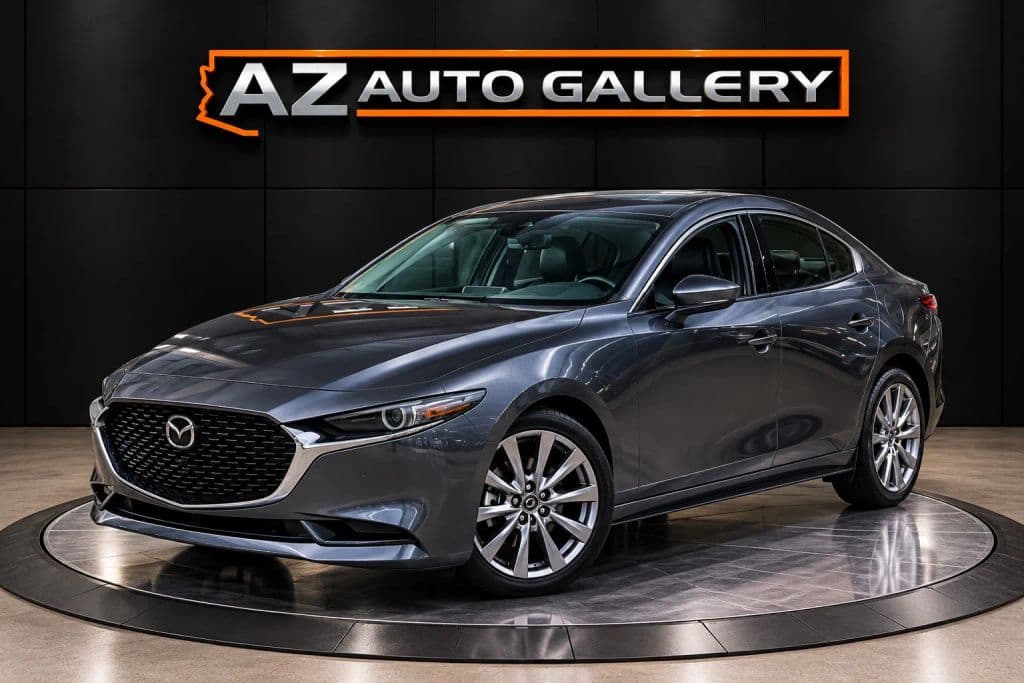
2023 MAZDA MAZDA3
Premium Sedan 4D · 134,107 mi
$276/mo est.
 29
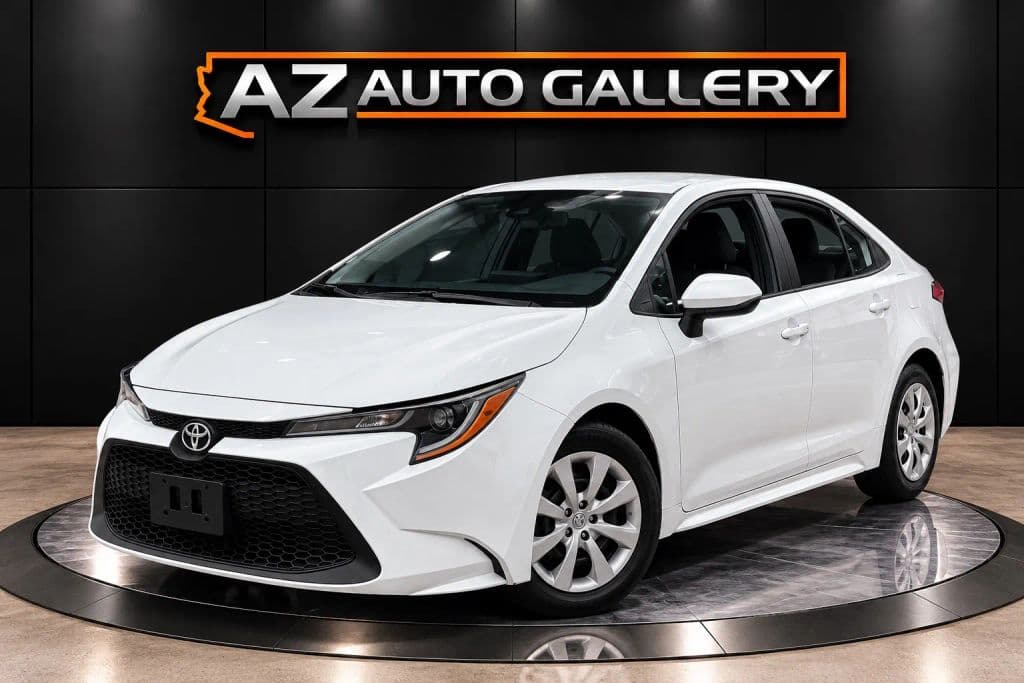
2020 Toyota Corolla
LE Sedan 4D · 97,766 mi
$276/mo est.

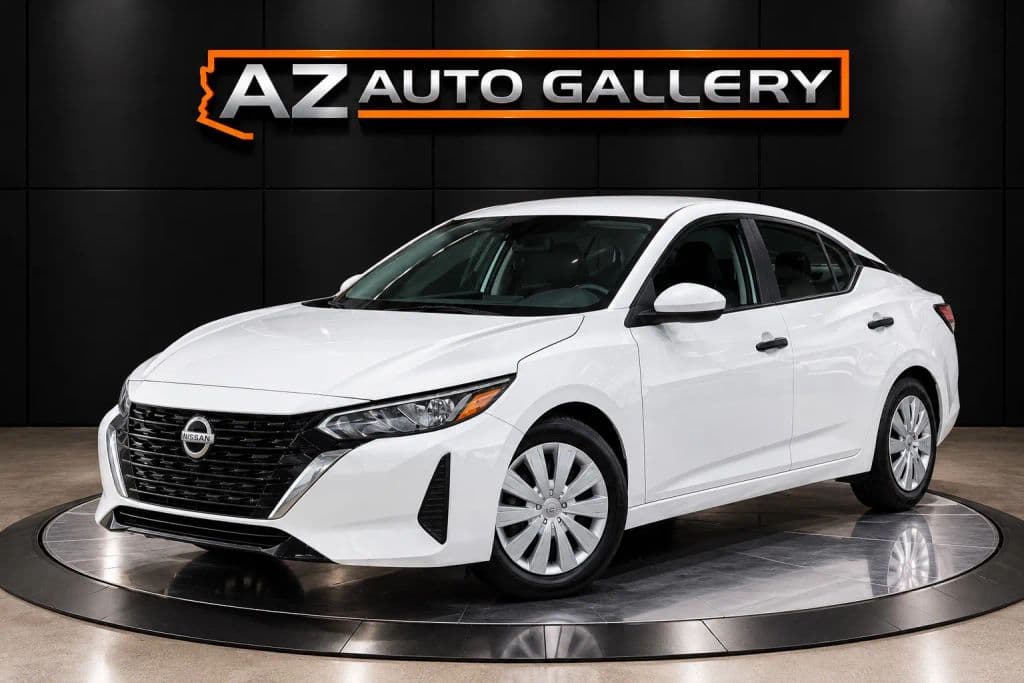
2020 MAZDA MAZDA3
Select Sedan 4D · 103,207 mi
$250/mo est.
 30
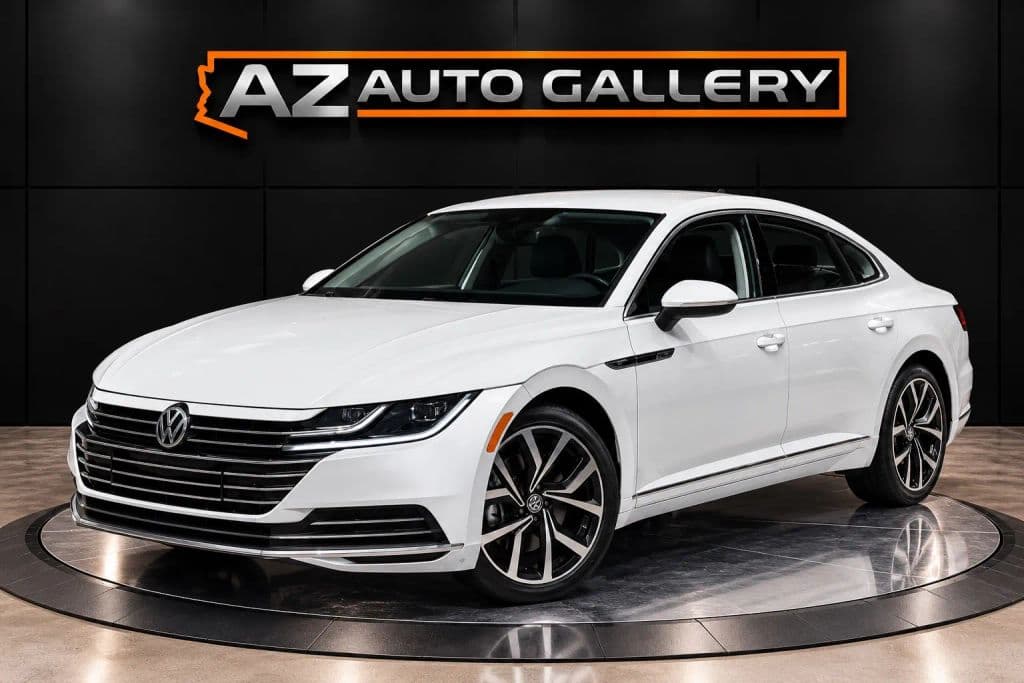
2019 Volkswagen Arteon
SE 4Motion Sedan 4D · 106,924 mi
$236/mo est.
The East Valley commute
The East Valley spreads out, and the commute looks different depending on which corner you start from. Apache Junction and the far edge of San Tan Valley sit out on the eastern and southeastern rim, which makes the morning run toward central Phoenix or Sky Harbor one of the longer hauls in the region, usually a steady stretch of US 60 or Loop 202 before you reach the core. Queen Creek is a similar story, with most of the distance covered on open freeway once you clear the surface streets. Gilbert and Chandler sit closer in and feed onto Loop 202 and I-10, so their drives are shorter in miles but often slower in practice, because that is where the valley's traffic tends to stack up. Whichever direction you come from, the shape of the day is the same: a long, warm freeway run in the morning and the same distance back in the worst of the afternoon heat. That is a lot of miles on a car, which is exactly why the running cost of a commuter sedan matters more here than the sticker does.
The 115-degree tax
In Phoenix the air conditioning runs the better part of the year, and it is not free. The compressor pulls power straight off the engine, and on a small four-cylinder commuter that load is a real fraction of what the motor makes. Idling at a light on a 115-degree afternoon with the system on maximum is about the thirstiest a fuel-sipping sedan ever gets, because the engine is working hard while the car is not moving at all. Stop-and-go traffic multiplies it, since you pay that air conditioning penalty over and over without the steady cruising that lets a small engine do its best work. None of this makes a four-cylinder a bad choice. It is the right choice for most of these commutes. It just means the fuel economy you actually see from spring into fall will sit below the highway number on the window sticker, and the gap is widest in the cars with the smallest engines working hardest to keep a cabin cool. Plan around the real-world figure, not the best-case one.
What an Arizona commute does to a car
Heat is the quiet tax on every car in the valley, and it works on the parts you do not think about. A car left in a lot all afternoon soaks up heat until the cabin, the fluids, and the rubber are all well above air temperature, and that cycle repeats nearly every day of the summer. Tires take it from both sides, aging faster in the sun and running on pavement that sits far hotter than the air above it, so tread and sidewalls here do not last as long as they would in a mild climate. This is also why mileage alone is a poor way to judge a used sedan in Arizona. A car with higher miles earned mostly on the freeway, warmed up and cruising at a steady temperature, has often lived an easier life than a low-mileage car that did nothing but short, hot, stop-and-go hops that never let the engine and transmission settle into their happy range. The one thing the heat does not do is rust a car. Arizona does not salt its roads, so the underbody corrosion that quietly destroys vehicles in snowbelt states is not part of the picture here, which is a big reason these cars travel so well to out-of-state buyers. When you look at a commuter car here, how the miles were put on matters as much as how many there are.
Hybrids in Phoenix heat
Hybrids are tempting for a long commute, but the thing that decides how well one ages here is how its battery is kept cool. Many hybrid packs are air-cooled, relying on cabin air pulled across the cells to shed heat, while others use a dedicated liquid-cooling system built to hold a steadier temperature. In a climate this hot, that difference matters, because high temperature is one of the leading causes of how fast a lithium-ion pack loses capacity over its life. An air-cooled pack in a car that bakes in a lot all summer works harder to stay in a safe range than the same pack would in a mild climate. None of this rules hybrids out, and a well-kept one with liquid cooling can be a genuinely good buy. For many of these commutes, though, a strong conventional compact with a simple, proven drivetrain is the lower-risk car. If you are weighing a specific hybrid, ask how its battery is cooled and how well it has been kept out of the sun.
Common questions
- What makes a used sedan a good commuter car in the East Valley?
- The East Valley is built on distance. The drive toward central Phoenix or Sky Harbor is long, and most of it is freeway, so the car that saves you the most is the one with the lowest cost per mile. A fuel-efficient sedan does that while staying comfortable over an hour of daily driving. That is why the running cost of a commuter car matters more here than its sticker price does.
- Should I worry about high highway miles on a used sedan here?
- Not by itself. In Arizona, how the miles were earned tells you more than the total does. A sedan with higher freeway miles spent warmed up and cruising at a steady temperature has often had an easier life than a low-mileage car that only ever did short, hot, stop-and-go trips. Those short hops never let the engine and transmission settle into their best operating range. Judge the service history and condition, not just the odometer.
- Do I need an emissions test when I buy a used sedan in Mesa?
- Mesa sits in the metropolitan Phoenix emissions control area, Arizona's Area A, where most vehicles need a passing emissions test to register. Arizona law puts the emissions responsibility on a licensed dealer at the time of sale, so a car you buy from us leaves with a current certificate. After that, keeping it current each registration cycle becomes the owner's responsibility.
- Are hybrids a good choice for a Phoenix commute?
- They can be, but the deciding factor is how the battery is cooled. Many hybrids use air-cooled packs that rely on cabin air, while others have a dedicated liquid-cooling system that holds a steadier temperature. Because heat is one of the leading causes of battery aging, that difference matters in this climate. A well-kept hybrid with liquid cooling can be great, but for many commutes a strong conventional compact is the lower-risk buy.
- Is the price on a used sedan negotiable?
- No, and that is by design. AZ Auto Gallery runs one set price per car, with every dealer fee already built into the number on the windshield. There is no haggling, no back-and-forth, and no surprise markup when you sit down to sign. The only things added at the end are the government charges: sales tax, title, and registration. The price you see is the price you pay.
- Can I finance a commuter sedan, and how do I estimate the payment?
- Yes. You can start a quick pre-approval online before you visit, and financing is available across a range of credit situations. If you want to size up a monthly payment first, our car payment calculator lets you plug in a price, down payment, and term to see roughly where you would land. That makes it easy to shop by budget and keep the total cost of the commute in view.